
Free Walking Tours Beirut: Discover the City’s Charms (2026)
Experience Beirut’s history and culture with free walking tours. Explore iconic sites and hidden gems while enjoying the city on foot.
On this page
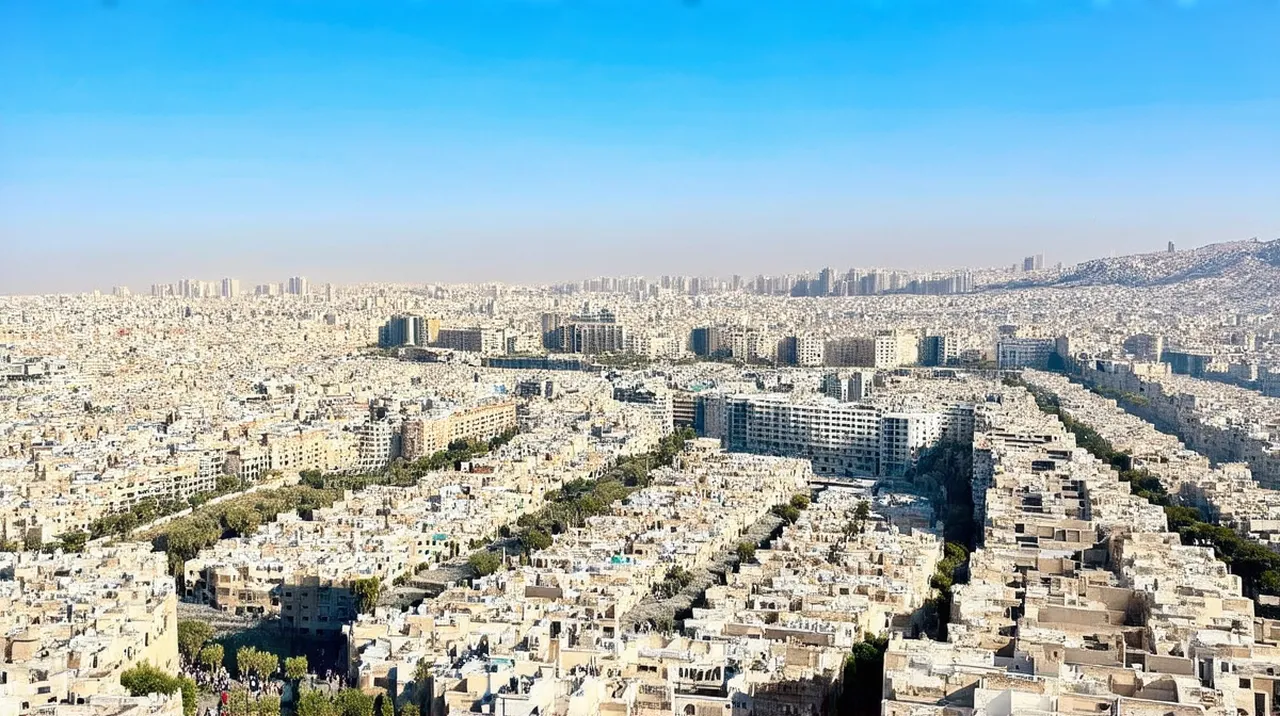
Free walking tours in Beirut offer an excellent way to immerse yourself in the rich history and vibrant culture of this fascinating city without spending a dime. This itinerary will guide you through iconic landmarks, local neighborhoods, and historical sites that make Beirut unique. Travelers can expect to soak in the stunning architecture, knowledge from local guides, and hidden gems, while navigating the lively streets of Beirut.
1. Start at Martyrs’ Square in Central Beirut
Your Free Walking Tour in Beirut begins at the iconic Martyrs’ Square, the heart of the city. This significant landmark has been a witness to the country’s turbulent history, serving as a site for protests and celebrations alike. As you stand in the square, take a moment to appreciate the central monument that pays homage to those who lost their lives fighting for Lebanon’s freedom.
First, listen to your guide explain the historical context behind this square, setting the tone for your exploration of Beirut’s rich culture. The important buildings surrounding the square, including the Mohammad Al-Amin Mosque and the Saint George Maronite Cathedral, are perfect examples of the city’s layered history.
Pro Tip: Arrive early to soak in the atmosphere and grab a coffee from a nearby café before your tour starts!
2. Explore the Historic Gemmayze District
Your walking tour takes you into the charming streets of Gemmayze. Known for its vibrant atmosphere, this historic district boasts a blend of Bohemian vibes and traditional Lebanese architecture. You will discover lovely art galleries, cozy cafés, and stunning street art that reflect the creative spirit of the local community.
While navigating the narrow lanes, look out for the iconic Georges Ghosn Street, lined with beautiful balconies and vibrant murals. This district offers a perfect glimpse into the daily lives of Beirut’s residents. Don’t hesitate to stop and interact with local artisans along the way!
Pro Tip: Consider taking a few pictures; the unique architectural details are Instagram-worthy!
3. Discover the Vibrant Arts Scene in Mar Mikhael
Your walking tour continues as you move toward Mar Mikhael, a district celebrated for its thriving arts scene. This neighborhood is a cultural hub, filled with galleries, music venues, and eclectic bars. As you stroll, observe the artistic expressions reflected in the murals adorning the walls, each telling a story of Lebanon’s history and creativity.
Mar Mikhael is home to much of Beirut’s nightlife, making it an exciting place to explore even during daylight hours. The district buzzes with energy, inviting you to stop at a local café and sip on a traditional Lebanese coffee. Engaging with the locals often provides a deeper insight into the city’s vibrant culture.
Pro Tip: If you’re lucky, you might stumble upon a local art exhibition; keep your eyes peeled!
4. Visit the National Museum of Beirut and Surroundings
🎯 Insider Tip: Discover the best Beirut experiences with Viator Tours!
The National Museum of Beirut is a must-visit setting for any walking tour in Beirut. Located just a short stroll from Martyrs’ Square, this museum houses an impressive collection of artifacts that showcase Lebanon’s rich history and cultural heritage. As you explore its galleries, you’ll encounter ancient relics dating back to the Roman and Phoenician eras. The museum not only enlightens visitors about Lebanese civilization but also paints a vivid picture of the region’s archaeological diversity.
After visiting the museum, take time to relax in the surrounding park. Here, you can reflect on the history you’ve absorbed. The beautiful gardens provide a tranquil atmosphere, perfect for a short break during your walking tour.
Pro Tip: Aim to visit the museum early in your tour to maximize your experience, as it can get busy later in the day.
5. Stroll Along the Corniche and Enjoy the Sea Views
🎯 Insider Tip: Discover the best Beirut experiences with Viator Tours!
No visit to Beirut would be complete without experiencing the stunning Corniche. This scenic waterfront promenade stretches for several kilometers, offering breathtaking views of the Mediterranean Sea. As you walk, you can engage with locals, enjoying the vibrant atmosphere that surrounds this area. There are numerous benches along the way for you to pause and take in the sea breeze.
The Corniche is a popular spot for jogging, walking, or simply people-watching. When combined with the sunset, the views become even more mesmerizing. Make sure to include this segment in your free walking tour Itinerary.
Pro Tip: Bring a camera to capture the stunning vistas and vibrant local life found along the Corniche.
6. Marvel at the Lebanese Architecture in Achrafieh
Next on your tour, the neighborhood of Achrafieh is renowned for its stunning Lebanese architecture. This area blends modern and traditional styles, providing an aesthetic feast for architecture enthusiasts. As you wander through the tree-lined streets, observe charming buildings that reflect the city’s Historical and cultural influences.
Don’t miss the chance to visit local boutiques and art galleries that adorn the corridors of Achrafieh. They offer a glimpse into Beirut’s artistic flair. Allow plenty of time to explore this neighborhood during your walking tour; the beauty of Achrafieh will captivate you at every turn.
Pro Tip: Keep an eye out for unique street art that captures the spirit of Beirut in this creative district.
7. Discover the Historic Markets of Souk El Tayeb
As you explore Beirut, one of the must-see spots is Souk El Tayeb, a historic market that showcases the city’s rich culinary heritage. This vibrant marketplace is known for its local produce, artisanal goods, and traditional Lebanese food. You can wander through the stalls while sampling an array of fresh vegetables, fragrant spices, and handmade cheeses. Be sure to engage with the passionate vendors, who often share stories behind their products.
Souk El Tayeb also hosts a weekly farmers’ market, perfect for immersing yourself in the local culture. You’ll find a range of organic products, from fruits to homemade sweets. This experience not only supports local farmers but allows visitors to connect directly with Beirut’s community through food.
Pro Tip: Visit on a Saturday morning for the full market experience, filled with live music and delicious tasting opportunities.
8. End the Tour with a Sunset at the Pigeon Rocks
As your free walking tour of Beirut approaches its conclusion, don’t miss the chance to enjoy a breathtaking sunset at the Pigeon Rocks. These iconic natural rock formations, located in the Raouche area, provide a stunning backdrop for the golden hour. You can either walk along the Corniche to reach the rocks or take a leisurely stroll through nearby cafés, sipping on a refreshing drink.
Once you arrive, the views are simply mesmerizing, offering the perfect spot to reflect on the day’s adventures. Many locals gather here in the evening, creating a vibrant, communal atmosphere. It’s the ideal ending to your walking tour, capturing the essence and beauty of Beirut.
Pro Tip: Bring your camera to capture the stunning sunset and the impressive silhouette of the Pigeon Rocks.
9. Tips for Enjoying Your Free Walking Tour in Beirut
🎯 Insider Tip: Discover the best Beirut experiences with Viator Tours!
To make the most of your free walking tour in Beirut, there are several tips to keep in mind. Wear comfortable shoes, as you will be exploring the city on foot for several hours. Hydration is crucial, so pack a water bottle to stay refreshed. Consider downloading a map or an app that can help navigate the streets, especially if you opt for a self-guided walking tour.
Timing is essential! Starting early in the day allows you to experience the city while it’s still cool, and you can avoid the bustling crowds at key attractions. Lastly, don’t hesitate to engage with locals; they can provide invaluable insights and recommendations for your visit.
Pro Tip: Try to join a walking tour on weekdays, as weekends can be busier with tourists and local visitors alike.
10. Where to Eat and Refresh Along the Route in Beirut
While discovering the city through Free Walking Tours Beirut, it’s essential to refuel with some local cuisine. The tour will take you through various neighborhoods, each offering unique dining experiences. For instance, in the Gemmayze District, you’ll find many quaint cafes and restaurants serving traditional Lebanese dishes like tabbouleh and hummus. A top spot to check out is Bar Omaya, known for its delicious mezze.
In Mar Mikhael, stop by La Lenda for refreshing drinks. This café boasts a vibrant outdoor space perfect for a quick break. Souk El Tayeb also has local vendors with tasty street food, ensuring you get a true taste of Lebanese culture. Keep your eyes peeled for interesting places to eat while enjoying your walking tour!
Pro Tip: Be sure to try some local sweets like baklava for the perfect treat!
11. Nearby Attractions and Day Trips from Beirut
After completing your Free Walking Tour in Beirut, consider exploring nearby attractions for a more enriching experience. The picturesque town of Byblos is just a short drive away and is perfect for a day trip. Known as one of the oldest continuously inhabited cities in the world, it offers enchanting Historical sites.
Another nearby must-visit is Jeita Grotto, a stunning network of caves showcasing breathtaking natural beauty. For those seeking relaxation, the vibrant beaches of Jounieh are also within reach, offering opportunities for sunbathing and water sports.
In summary, Beirut serves as an excellent base for a variety of exciting day trips, enriching your travel experience.
Pro Tip: Always check the opening hours and accessibility of attractions ahead of your visit!
Taking advantage of free walking tours in Beirut not only allows you to explore the vibrant culture and beautiful sights without a cost but also provides opportunities to connect with the city’s rich history. Each stop on this itinerary introduces you to different aspects of Beirut’s charm, ensuring a memorable experience. Ready to explore the streets of Beirut? Share your adventure with us and consider checking out more walking tours in Lebanon!
More Free Walking Tours in Lebanon
Exploring more of Lebanon? Check out free walking tours in Tripoli.